Healthy Eating: Savory Muffins Recipe

Have you been swearing off muffins?

Want to reduce the amount of sweet in your snacks? Don’t worry! We’ve got you covered with this awesome Savory Muffins recipe which is made using traditional ingredients. It is quick and easy to prepare, very healthy to snack on and has all the goodness of vegetables. These Savory Muffins will fulfill all your micronutrient needs for the day.

What You Will Need


Whole wheat flour – 1 cup
Gram flour – ½ cup
Curd – ½ cup
Grated paneer – ¼ cup
Grated cheese – ¼ cup
Chili flakes – 1 tsp
Mixed herbs – 1 tsp
Salt – 1 tsp
Baking powder – 1 tsp
Baking soda – ¼ tsp
Chopped spinach – ½ cup
Chopped coriander – ½ cup
Grated carrot – ½ cup
Oil – 2 tbsp
Vinegar – ¼ tsp
Water – ½ cup


How To Prepare


Take a mixing bowl and add all the dry ingredients. Mix whole wheat flour, gram flour, chili flakes, dried herbs, salt, baking powder and baking soda. Then add spinach, coriander, carrot, paneer and cheese. Mix all the ingredients well.
In another bowl, add oil, curd, vinegar and water. Mix the wet ingredients well.
Time to mix the wet and dry ingredients together, the batter will be of medium thick consistency.
Take silicon muffin Moulds and fill each Mould with 1-2 tbsp of batter.
Bake them at 180°c for 20-25 minutes. Keep checking them after 15-20 minutes.
Your nutritious, savory muffins are ready.
Note: You can also make these in an appam maker and cook both sides with a little oil.

Highlights of the Savory Muffins Recipe
Just a perfect savory meal to start the day or eat once for mid meals.
Balanced with fiber and protein, it keeps you full for longer.
Has all the benefits of healthy greens.
We hope you enjoy this Savory Muffins recipe. Do share it with your friends and family

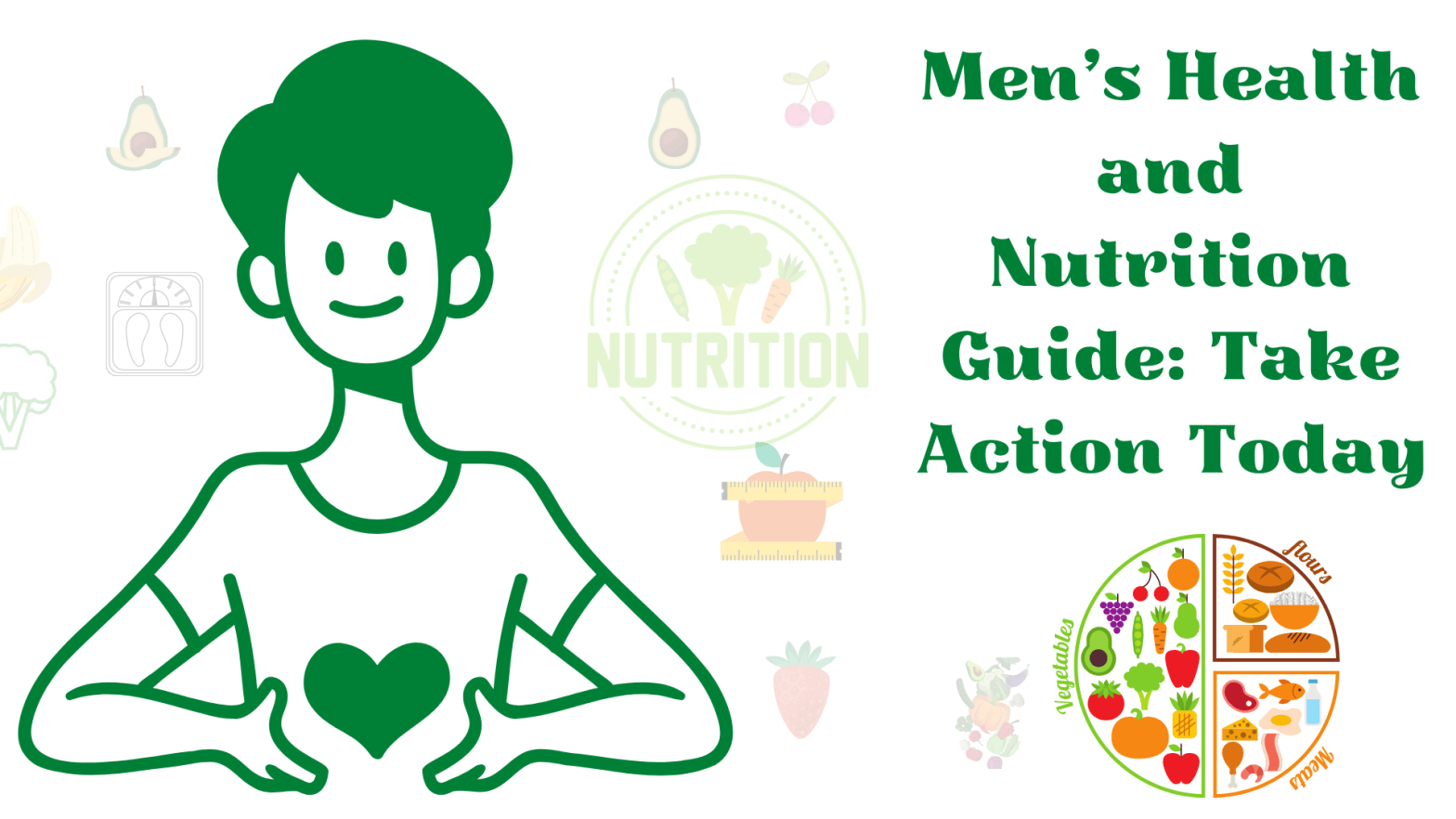
Men’s Health and Nutrition Guide: Take Action Today

When it comes to men’s health and nutrition, many factors come into play. Because men tend to burn through calories a lot faster than women do, it can be tempting to assume that as long as a man isn’t overweight, all is well and good.

Body weight, however, is only a part of the picture and shouldn’t be used as the sole metric of health. How much body fat you have, where that fat settles on your frame, along with the overall quality of your diet – all contribute to your wellbeing.

In this guide, we’ll go over a checklist of nutrients men need, what to eat, as well as lifestyle choices that can lead to better health and wellness.

What Your Weight Won’t Tell You

Let’s say you don’t exercise much, but your weight is reasonable. Did you know you could still be carrying around way too much body fat?

And while excess body fat is a concern for everyone, guys are more likely to carry that excess weight around the middle, which is much more damaging to health than the fat that women tend to accumulate on their hips and thighs.

So, while keeping your weight down is key, you need to do it the right way. Simply eating less only works when the nutritional quality of your diet is above par. Eating less of a poor diet may cut calories, but you’ll still be selling yourself short on nutrition.

Top 4 Nutrients for Men: Eat More of These Today

Nutrition density is all about packing the most nutrition you can into each bite. You can do this by keeping your focus on healthy foods, such as vegetables, fruits, lean proteins, and whole grains.

Here are four nutrients men should eat more of daily:

Fiber

Most men only get about half the 38g of fiber they need every day. High fiber foods help you feel full, which can help keep weight in check. Soluble fiber also helps lower cholesterol levels – good for protecting your heart.

Place an emphasis on these high-fiber healthy heart Food such as:

  • Beans
  • Fruits (berries and plums)
  • Vegetables (broccoli and carrots)
  • Whole grains (oats and barley)

Magnesium

Magnesium is a mineral that’s important for literally hundreds of functions in the body. By supplementing or consuming more magnesium-rich foods, you may be able to improve bone health and heart health.

Good sources include leafy green vegetables, nuts, and whole grains.

Potassium

Many men also do not get enough potassium, which is important for nerve, heart, and muscle function. This mineral supports healthy blood pressure and is abundant in fruits, vegetables, and dairy products.

Here are some recommended potassium-rich foods:

  • Melons
  • Tomatoes
  • Avocados
  • Bananas
  • Beans
  • Leafy greens

Vitamin D

Finally, try to get more vitamin D, which helps to keep your bones and immune system strong. Vitamin D is found in fortified dairy products, fatty fish, egg yolks, and seafood. Brief sun exposure a few times a week is another way to get your vitamin D.

Look for seafood that’s low in fat and calories yet rich in heart-healthy omega-3 fatty acids. These should be on your menu at least a few times a week.

7 Tips to Improve Your Eating Habits

Here are some effective principles to follow when you’re trying to change your bad eating habits.

Habits can be hard to change, because, well, they are habits. Each year, many of us look at changing some of our bad habits and the best thing I can do to help my clients is to try to help them prioritize – and work on the easiest things first.

Whether you are looking to change a number of bad habits or only one or two, there are some basic principles when it comes to navigating your way through the behavior change process. So, here are some tips for smoother sailing:

Set Your Behavior Goals and Make Them Reasonable.

Be specific. “I want to get physically fit” or “I will eat better” is too vague. Instead, set a goal such as “I will walk 30 minutes a day” or “I will pack my own lunch twice a week.”

Start With the Easiest Changes First.

Once you tackle those and feel successful, you’ll feel empowered to take on more challenges. As each small change becomes permanent, they’ll start to add up–which can add up to big health benefits, too.

Don’t Think ‘Forever’.

Try just getting through a weekend without overdoing it, or take things one day at a time—or even a meal at a time if you have to.

Keep Track so You Know How Well You’re Doing.

If you’ve been trying to boost your physical activity, keep a log of your minutes or miles. If you’re trying to cut back on sweets, set a limit for the week and keep track. And, for each small success, give yourself a pat on the back.

Try to Anticipate What Might Derail You and Plan Accordingly.

If parties are your undoing, plan to have a snack before you go, and decide ahead of time how many drinks you’ll have. If you know you’ll hit the snooze button instead of exercising in the morning, put the alarm clock across the room–right next to your workout clothes.

Practice the Art of Distraction.

When you get the urge to eat something you shouldn’t, tell yourself that you’ll wait 15 minutes before you give in. Chances are, you’ll get busy doing something else and forget about it.

Notice What Triggers Your Bad Habits and Break the Chain.

If the vending machine at work tempts you every time you walk by, find another route so you’ll avoid it, or don’t carry any money with you. To stop nighttime noshing, head into the bathroom to brush your teeth instead of into the kitchen to raid the refrigerator.

Antioxidant Vitamins for Healthy Looking Skin

Good skin starts with good nutrition. Choose foods rich in antioxidants for healthy-looking skin.

Boy, oh boy, do we hear a lot about the benefits of antioxidant vitamins. When it comes to our diet, there are many delicious foods that are packed with antioxidant vitamins, making it easy to find healthy alternatives with little to no effort. So, why not make a conscious decision to select the best ingredients for your body, both inside and out? Of course, I’m talking about the skin. It’s all about good nutrition. The benefits of a healthy diet that’s loaded with antioxidant vitamins can help you look good on the outside and feel good on the inside.

Healthy Skin Starts from Within

We hear a lot about the importance of antioxidant vitamins. And we know enough about them to diligently read labels to ensure that our favorite skincare products contain these skin-friendly vitamins. Why? Because they work. After all, antioxidant vitamins are the enemy of free radicals. Although some antioxidant effect from topical products can be useful, what you eat supports the body’s function. Great skin always starts on the inside, so it’s always most important to start there.

We Love Antioxidants

When we were kids and heard the words “take your vitamins,” we probably all wanted to run. But the good news is that most of the foods that contain antioxidant vitamins are delicious. You can pack your diet with plenty of antioxidant-rich veggies and fruits, including berries, carrots, green spinach and, my favorites, citrus fruits. These vitamin-rich foods help to keep free-radical formation in check. Of course, we also need a multivitamin and daily skincare products that contain vitamins C and E. They are both antioxidants.

Why Vitamin C?

Vitamin C is used in the living structures of the skin. When looking at your product labels, don’t be surprised if you don’t see vitamin C listed. It may be listed as ascorbic acid, tetrahexyldecyl ascorbate, sodium ascorbyl phosphate, as well as other forms.

Why Vitamin E?

Vitamin E is one of the most popular antioxidants around. It too can provide some wonderful benefits to the skin. Again, you may not see vitamin E on your product labels, but if you see tocopherol or tocotrienols, you know your product contains vitamin E.

We Aren’t Fond of Free Radicals

We hear so much about free radicals. But what are they? Free radicals are unstable molecules with a single unpaired electron, which makes them susceptible to oxidation. Seem complicated? All you really need to know is that free radical formation happens in the cells of your body all the time. It’s normal. Exposure to air pollution, tobacco or pesticides can lead to free radical formation, and they are also generated as part of your everyday metabolism. Yes, our own bodies generate free radicals. These are the free radicals that antioxidants in your diet can combat, because they can be used in the living tissues of the skin. The good news is they have enemies in the form of antioxidants, making antioxidant vitamins and antioxidant-rich foods the perfect choice for your body and, of course, your skin.

To address free radicals in the superficial layers of the skin, you should establish a daily skincare regimen that includes products to cleanse, nourish and protect your skin. Select those products containing antioxidant vitamins C and E, as you need all the help you can get to help fend off free-radical damage.

Make an effort to never go outside without wearing your SPF 30. And eat a healthy, well-balanced diet full of antioxidant-rich foods. These simple steps will put you on the path toward healthy skin in no time. And remember, the healthiest skin is always the most beautiful.

Know Your Macros: How Protein, Carbs and Fat Support Sports Performance

MACROS FOR SPORTS PERFORMANCE

Depending on the sport, athletes may need to adjust their macronutrient intake – especially when it comes to carbohydrates and protein.

Carbohydrates, protein and fat are referred to as dietary macronutrients. “Macro” means large, and we need relatively more of these nutrients than the “micronutrients” – vitamins and minerals. The amount of the different macronutrients that athletes need varies on the type and intensity of activity they are engaging in. Here’s a quick rundown on what athletes need to know about their macros.

Carbohydrates

Carbohydrates serve as the main source of fuel during exercise, which is why it’s so important for athletes to consume adequate amounts. This ensures that they have readily available carbohydrate stores in the muscle, liver and bloodstream. A well-balanced diet that supplies about half (45 to 55 percent) of the calories from carbohydrates should be adequate for most moderately active people. But, endurance athletes may need proportionately more (in the range of 55 to 65 percent of total calories) while ultra-endurance athletes (those who participate in events lasting longer than 4 hours) need even more – up to 75 percent of their total calories from carbohydrates.

Sports dietitians prefer to calculate carbohydrate needs according to body weight rather than a percentage of calories because it gives the athlete a specific intake goal. For general training, athletes are advised to take in 5 to 7 grams of carbohydrates per kilogram of body weight (or about 2.5 to 3 grams per pound). Endurance athletes (runners, cyclists, swimmers) need more – the goal is 7 to 10 grams of carbohydrate per kilogram of body weight (roughly 3 to 4.5 grams per pound). Ultra-endurance athletes, who engage in competitions that last for four hours or more, may need 11 grams or more per kilogram of body weight (5 grams per pound).

Protein

Protein supports exercise, but not by serving as a primary fuel source. It has too many other more important functions in the body. Of course, dietary protein is needed for muscle repair and growth, but it is also needed to make enzymes – proteins that assist with thousands of chemical reactions that take place in the body, including the production of energy from food. Hormones, such as insulin and glucagon that help to regulate the levels of sugar in your blood, are made from the amino acids in the proteins that you eat. And, your body uses the protein in your diet to manufacture antibodies – proteins that help your body fight infection.

Recommended protein intakes are often expressed as a percentage of total calories, and a well-balanced diet should supply protein in the range of 20 to 30 percent of calories. But sports nutritionists prefer to calculate protein needs according to body weight, just like carbohydrates.

It should make sense that athletes require more protein than sedentary people since they generally have more muscle mass. The recommended protein intake for endurance athletes is in the range of 0.5 to 0.6 grams per pound of body weight. Strength athletes need a bit more and are advised to take in about 0.7 to 0.8 grams per pound of body weight. That means that a 180-pound athlete might need about 90 and 110 grams per day to support endurance activity, or roughly 130 to 150 grams a day to support strength training.

Ideally, though, protein intake would be tailored to the amount of lean body mass (LBM) you have. Your LBM comprises all your body weight that isn’t fat – your muscles, bones, organs, tissues and water. Body composition testing can determine your LBM, and athletes are advised to take in about 1 gram of dietary protein for each pound of lean mass. Strength athletes may need a bit more.

Fat

Dietary fats supply the body with essential fatty acids, which means your body can’t make them, so you have to consume them. They’re an important part of the structure of every cell in your body and serve as a valuable energy source during activity.

Rather than suggesting a precise amount of fat for athletes, sports nutritionists usually recommend an intake of around 25 to 30 percent of their total calories – the amount that’s recommended for the general population. Since carbohydrate and protein intakes are more specific, once those intake targets are met, fat intake tends to naturally fall within the recommended range. And, like the general population, athletes are encouraged to select mostly unsaturated fats from foods like nuts, seeds, avocados, fatty fish and oils such as canola and olive.

While carbohydrates are considered the body’s primary fuel source, the body uses both carbohydrates and fat as fuel, depending on the intensity and duration of the activity. When exercise intensity is light to moderate, fat supplies about half of the body’s energy needs – especially as the duration increases. For example, after jogging for more than 20 minutes at a moderate pace, fat becomes increasingly more important than carbohydrates for sustaining activity.

Keeping your macros in the right balance is critical for good performance, and athletes would be wise to avoid dietary trends that upset this balance.

Why we need Strong Immunity

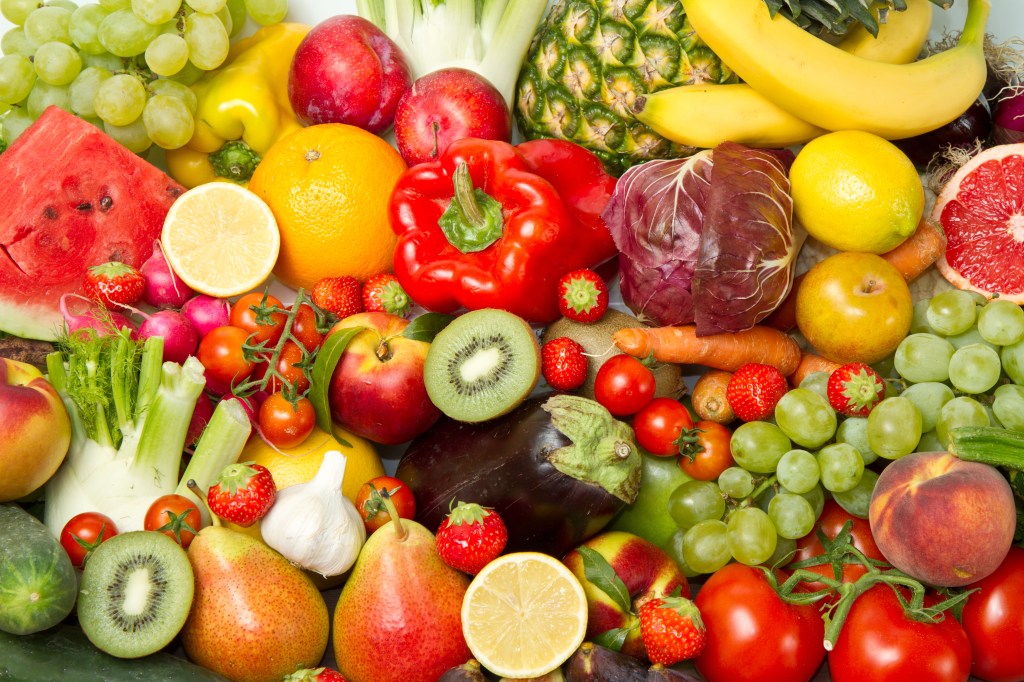
A photoshot of Nutrtional vehetables and fruits

Our immune system has one job: helping our bodies defend and recover from illness.

Unhealthy diets – high on calories from sugars, meats, and dairy products – are usually associated with health problems like obesity and metabolic diseases. But they can also cause a tremendous imbalance in our immune system, thus weakening it.

Regularly eating foods that are not nutritious can break down our immune defense, similar to how invaders can damage a fortress. This, in turn, can also make one more susceptible to new and reoccurring illnesses.

Why Is Immunity Our Best Defense?

I want you to think of your body as a well-designed fortress. Every day, our body silently defends itself against potential harm through its layered system of defense. It can defend and repair when it is challenged.

Our cells are like the army of protectors, each with specific roles to play to help our body defend itself. If unsuccessful, they will repair the body when needed. That is why nutrition is so important. Our cells need nutrients that come in the form of:

  • Macronutrients
  • Micronutrients
  • Phytonutrients

Within these three broad categories, we understand the specific importance of protein, healthy essential fats like omega-3, the power of fiber to support our microbiome, and of course, vitamins, minerals and plant-based nutrients that keep our body in optimal condition.

A Real-Life Story on the Impact of Good Nutrition

While deficiency is rare in developed countries, many people in developing countries do not get enough essential vitamins over a long period of time. Back in 1976, an eye doctor was working in Indonesia to reduce the number of children who would go blind because of a deficiency in Vitamin A. He noticed that when these individuals were given vitamin A, they also were not dying from common infections in the country like measles or diarrhea.

This led to studies and the eventual recommendation by the World Health Organization for universal vitamin A supplementation. The World Bank declared vitamin A supplementation one of the most cost-effective of all health interventions.

This teaches us that whether it is vitamin A, D, or C, minerals like Magnesium or Zinc, or antioxidants from plants or protein – our cells need the right balance of nutrients to do the job they were meant to do.

Consuming a balanced diet with the right vitamins, minerals, and nutrients while maintaining a healthy lifestyle is the best way to keep your immune system working fine and doing what it is meant to do: defend your body.

How Much Time Take in Lose Weight?

Every time I have a new client scheduled to see me to learn how to lose weight, I have a pretty good idea of how our first conversation will go. The first thing they usually want to know is how much I think they should weigh. The answer is usually less than straightforward, and that question is inevitably followed up by a similar and equally vexing query. “How long will it take?” I’ve had this same conversation countless times over the years, and my answer is always the same: “It depends.”

I realize that’s not a satisfying response. But the rate at which a person will lose weight depends on a lot of things. It’s like a road trip. You can look at the map, determine how many miles you have to travel, figure your average speed and then estimate how long it will take you to get there. That works sometimes. But maybe you come across a traffic jam or a detour. Maybe you drive through a town you’ve never been to and decide to stop a while.


Getting on Track to Lose Weight
It’s much the same with weight loss, even though the math is also fairly simple. I can estimate how many calories you burn at rest (your resting metabolic rate), and then tack on some extra calories for your current level of activity. If you want to lose a pound in a week’s time, you’ve got to come up about 500 calories short of that number every day. That’s done by eating 500 fewer calories, or burning off an extra 500 through exercise, or preferably some combination of the two.

The problem is that there are just too many things that affect the final outcome. For one thing, estimates of how many calories you burn every day are just that—estimates. Keeping track of how many calories you eat is just an estimate, too. And most studies say that people underestimate the calories they eat by at least 20%.

What about those calories you think you’re burning? An exercise chart might tell you that swimming burns 500 calories an hour. But are you swimming nonstop for 60 minutes? Are you even swimming at all? I once spotted a client at the local pool having a lengthy conversation with a girlfriend while sitting on the steps in the shallow end. She never saw me, and I had to bite my tongue at her next visit when she told me that she’d been “swimming for an hour three times a week” and couldn’t figure out why she wasn’t losing weight.

Consistency Is the Key
So, just like that road trip, you can make a rough guess as to how long it will take you to reach your goal. But you need to accept that it’s only that—a guess. If you consistently cut 500 calories from what you need, then yes, you should drop about a pound per week. But just like when you drive your car, you may not go at a consistently steady speed or burn through your fuel at a perfectly consistent rate. And just like traffic jams and detours, things get in the way to slow us down or get us off track. But eventually we get back on the road and keep going.

So, if you’re wondering how long it will it take to lose weight, I encourage you to focus instead on all the positive changes that are made along the way. Because in the long run if you improve your diet and get more active, the weight will take care of itself—in its own time. And just like a road trip, sometimes it’s best to focus more on the trip and less on the destination.